German (Switzerland)
  English (United States)
  Russian
  French
  German
  Japanese
  Korean
  Chinese
  English (South Africa)
  Afrikaans
  Arabic
  South Azerbaijani
  Belarusian
  Czech
Czech  Thai
Thai  Esperanto
  Portuguese
  Swedish
  Georgian
  Spanish (Spain)
  Spanish (Peru)
  Spanish (Mexico)
  Vietnamese
  Bengali
  Bulgarian
  Greek
Greek  Indonesian

Introduction to Custom-Made Furniture
Custom-made furniture has become an increasingly popular choice for various living spaces, including government apartments. Unlike standard, mass-produced pieces, custom furniture is specifically designed and crafted to meet the unique preferences and requirements of its users. This tailored approach allows for an optimal blend of functionality, aesthetic appeal, and effective use of space.
One of the primary benefits of custom-made furniture is its ability to cater to the specific needs of the inhabitants. Government apartments often house individuals and families with diverse requirements, including those with disabilities or special accessibility needs. Custom solutions provide an opportunity to integrate features that standard furniture may lack, such as adjusted heights, specialized storage options, or unique configurations that accommodate mobility aids.
Additionally, custom furniture is crafted using high-quality materials, allowing for enhanced durability and longevity. This is particularly valuable for government apartments, where furniture must endure daily use by multiple residents over time. The investment in bespoke pieces ensures that the furnishings remain functional and visually appealing throughout their lifespan.
Another significant advantage is the opportunity for personalization. Residents can collaborate with designers to choose colors, styles, and materials that reflect their individual tastes and preferences. This personalization fosters a sense of ownership and pride in one’s living space, positively impacting mental well-being and overall satisfaction with the apartment.
As we delve deeper into the various types of furniture that can be customized, it will become clear that custom-made options not only enhance the aesthetic and functional qualities of government apartments but also support the diverse needs of their residents. This guide aims to provide a comprehensive overview of the possibilities available within the realm of custom-made furniture.
38
Understanding Government Apartment Needs
Government apartments serve a diverse population, including public servants, low-income families, and various community members, which necessitates a tailored approach to furniture design. One of the primary considerations is the unique dimensions of these units. Government apartments often vary in size and layout, requiring custom-made furniture solutions that maximize space while ensuring comfort and functionality. Incorporating modular designs can be crucial in these settings, allowing adaptability to different room configurations.
Functionality is another key factor influencing furniture selection for government apartments. The furnishings must address practical needs, such as storage and usability, without compromising on aesthetics. For instance, multi-purpose furniture that provides both seating and storage can be particularly beneficial in compact living spaces. This not only promotes efficient use of space but also contributes to a clutter-free environment, which is essential for smaller apartments.
Aesthetic considerations also play a significant role in creating an inviting atmosphere in government apartments. While the primary focus is on functionality, the visual appeal of the furniture cannot be overlooked. Government agencies often endorse designs that reflect contemporary styles while resonating with the community’s character. This fosters a sense of belonging and pride among residents, making them feel at home in their living spaces.
Finally, budget constraints are an inevitable aspect of government projects. Custom-made furniture needs to be cost-effective without sacrificing quality and durability. Collaborating with skilled artisans and manufacturers can lead to solutions that meet budgetary requirements while still providing practical and stylish options. Selecting sustainable materials also plays a significant role in reducing overall costs and environmental impact, aligning with the government’s initiatives for responsible spending and resource management.
Customized Kitchen Cabinets: Maximizing Functionality
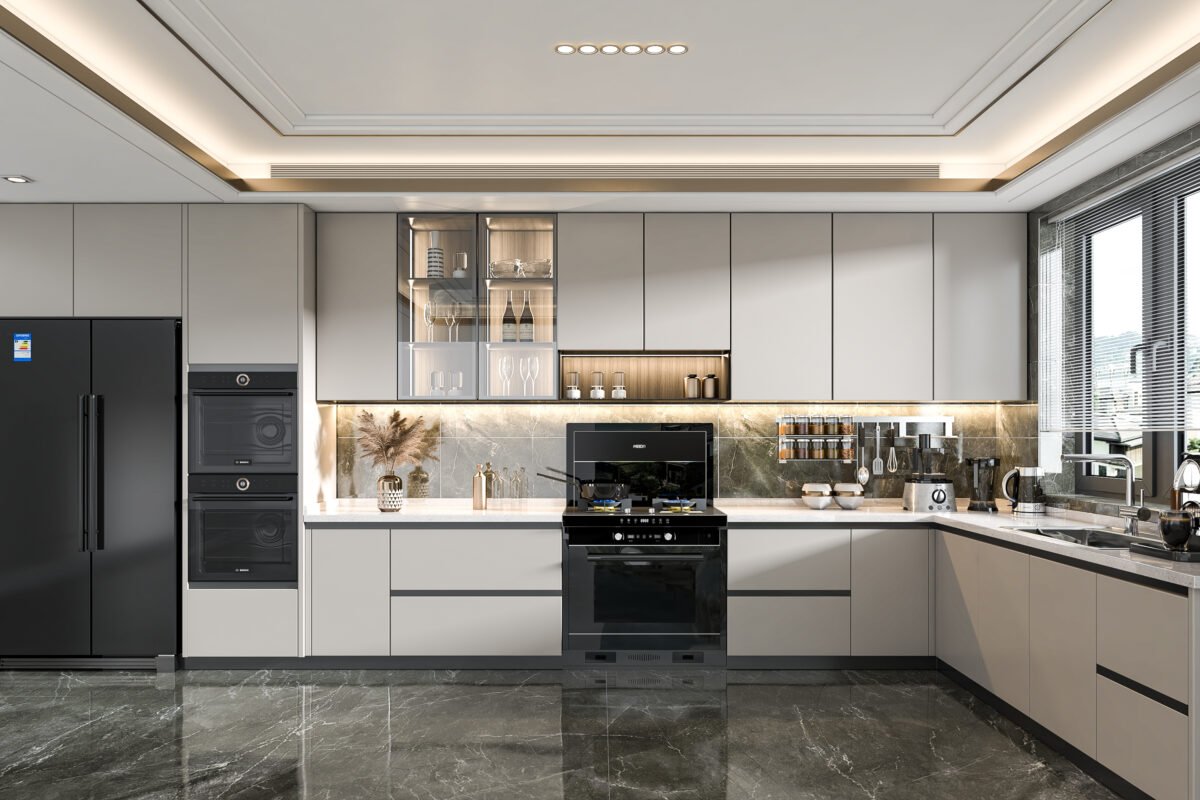
When it comes to maximizing functionality in government apartments, customized kitchen cabinets play a pivotal role. These cabinets are designed specifically to meet the unique needs of residents while optimizing space, ensuring that even the most constrained layouts can accommodate essential kitchen items efficiently. By tailoring the design to suit individual requirements, these cabinets can transform a standard kitchen into a highly functional area that enhances the cooking and storage experience.
One of the primary benefits of custom kitchen cabinets is their ability to provide innovative storage solutions. For instance, the inclusion of pull-out shelves, lazy Susans, and vertical dividers can effectively utilize the available space, making it easier to access pots, pans, and other kitchen utensils. Additionally, integrating deeper drawers can serve as excellent storage for larger items such as mixing bowls and small appliances. This strategic organization minimizes clutter and promotes a streamlined kitchen environment, which is particularly beneficial in smaller apartments.
The materials used in the construction of customized kitchen cabinets significantly affect their durability and aesthetic appeal. Common options include solid wood, plywood, and MDF, each offering distinct advantages. Solid wood cabinets lend an air of sophistication and can be stained or painted to match any style. Plywood cabinets, while more affordable, provide sturdiness and resist warping. On the other hand, MDF is a budget-friendly alternative that offers a smooth finish, ideal for contemporary designs.
Choosing the right finish is equally important, as it impacts both functionality and visual appeal. A high-gloss lacquer finish can reflect light, making small spaces appear larger, while matte finishes can create a warm, inviting atmosphere. Customization options extend to hardware selections as well, allowing residents to choose knobs and handles that complement their overall decor.
In summary, customized kitchen cabinets offer versatile solutions for government apartments, enhancing both form and function while maximizing limited space. By prioritizing innovative design, appropriate materials, and tailored finishes, these cabinets can be integral to creating an organized and efficient kitchen space.
Living Room Furniture: Style Meets Practicality
When it comes to furnishing government apartments, living room furniture plays a pivotal role in enhancing both aesthetic appeal and functional utility. Custom-made options such as sofas, coffee tables, and TV cabinets allow residents to tailor their living spaces according to their unique needs and tastes, ensuring that comfort does not come at the expense of style.
Sofas serve as the centerpiece of any living room, and their customization can significantly impact the overall atmosphere. Consumers can choose from a variety of styles, materials, and dimensions, allowing for pieces that fit harmoniously within the available space. For example, a sectional sofa can provide ample seating for family gatherings, while a sleek, minimalist design may cater to those who prioritize modern appeal. Upholstery options, ranging from durable fabrics to luxurious leathers, also enhance not only the look but the longevity of the piece, making it an ideal choice for high-traffic environments typical of government apartments.
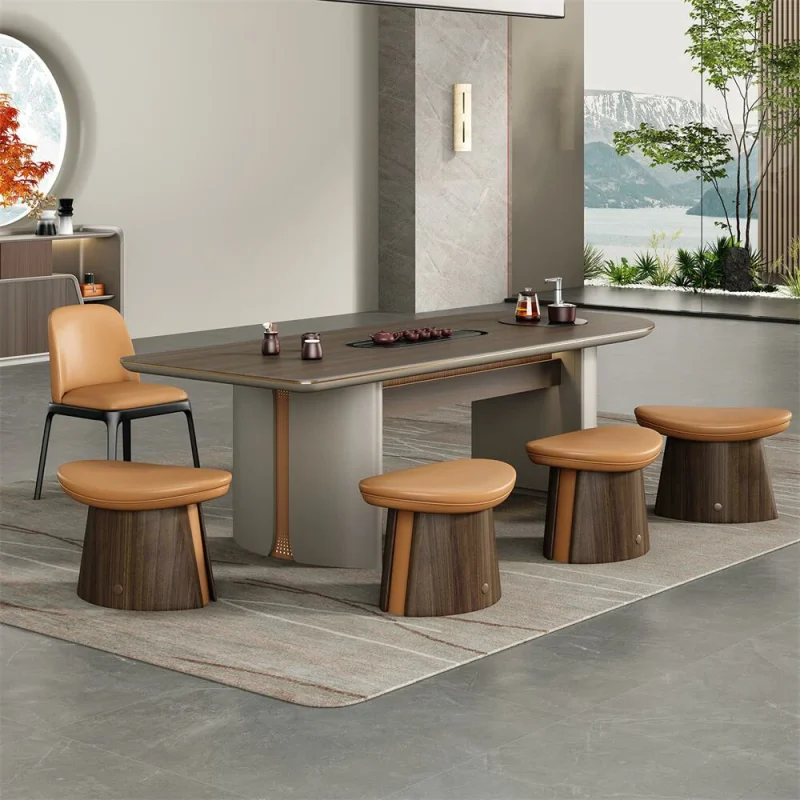
Moreover, coffee tables are essential for grounding the living room design and can be customized to fulfill dual roles. Coffee tables with integrated storage solutions or those designed for multi-functionality contribute to tidiness and utility, ideal for smaller spaces where maximizing square footage is essential. Opting for custom designs that align with the overall theme of the apartment creates a cohesive look, blending visual interest with practicality.
Additionally, TV cabinets are another critical element of living room furniture that benefits from customization. The ability to adjust the size, color, and storage configurations can help residents effectively organize their media devices while elegantly displaying their items. Custom units can also be designed to accommodate specific technical requirements, such as wiring or ventilation, further enhancing the user experience.
Ultimately, the integration of customized living room furniture balances style and practicality, improving the overall living experience in government apartments. By thoughtfully selecting pieces that marry aesthetic appeal with functional requirements, residents can create a welcoming and efficient environment tailored to their lifestyles.
Creating Personalized Bedrooms with Custom Furniture
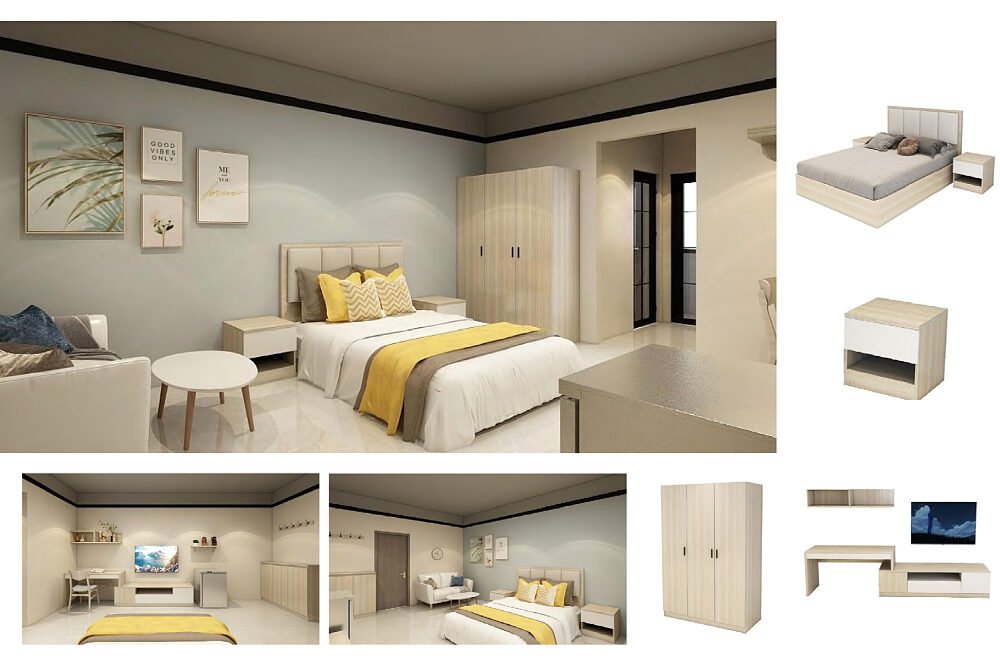
The bedroom serves as a personal sanctuary, making the selection of appropriate furniture vital for creating a comfortable and organized space. In government apartments, where space may be limited, custom-made furniture can effectively maximize both functionality and design. This guide will explore how tailored furniture options, such as beds, wardrobes, and desks, can meet individual preferences and elevate the overall aesthetic of the bedroom.
When considering custom beds, factors such as size, design, and additional features play a crucial role. A bed tailored to personal dimensions can enhance comfort, especially for residents who may require larger sleeping surfaces or unique support structures. Furthermore, incorporating built-in storage solutions, such as drawers beneath the bed frame, can efficiently utilize space while reducing clutter. Custom beds also allow for selecting materials and finishes that align with personal tastes, fostering a restful environment conducive to relaxation.
Wardrobes represent another essential element of bedroom furniture. A custom wardrobe can be designed to fit the specific layout of the apartment, providing a perfect blend of style and practicality. Through the integration of tailored shelving, hanging space, and compartments, individuals can organize their clothing and belongings effectively, thus reducing stress and enhancing overall tranquility. Materials, colors, and finishes can be chosen to complement the bedroom’s decorative theme, ensuring visual harmony.
Finally, desks tailored for personalized use can streamline work tasks or leisure activities within the bedroom. A custom desk can be designed to accommodate essential work tools, such as computers and office supplies, while also considering ergonomic practices. By designing a workspace that is both functional and aesthetically pleasing, occupants can maintain focus and productivity in a space where they feel at ease.
In summary, investing in custom-made furniture for bedrooms in government apartments presents a unique opportunity to address comfort, organization, and design preferences. By carefully considering options such as beds, wardrobes, and desks, individuals can create a personalized environment that promotes relaxation and efficiency, leading to an improved quality of life.
The Importance of Quality Materials in Custom Furniture
When it comes to custom-made furniture for government apartments, the choice of materials plays a crucial role in ensuring durability, aesthetic appeal, and ease of maintenance. The materials selected not only contribute to the overall look but also significantly affect the longevity of the furniture. High-quality materials are indispensable in creating pieces that can withstand daily use while maintaining their integrity over time.
Wood, for instance, is one of the most popular materials used in custom furniture due to its strength and versatility. Hardwoods such as oak, maple, and cherry are particularly favored for their durability and rich visual characteristics. These types of wood are not only sturdy but also become more beautiful with age, adding character to government apartments. Moreover, the finish applied to these woods can enhance their resistance to wear and tear, making them suitable for environments that experience heavy foot traffic.
Another essential category of materials is upholstery, which greatly influences comfort and appearance. Fabrics like microfiber and leather provide a balance of durability and aesthetics. Microfiber is known for its stain-resistant properties and ease of cleaning, making it a practical choice for government apartments. Leather, while often associated with luxury, also offers resilience and can be easily maintained with minimal effort.
In addition to wood and upholstery, metal elements can be introduced to create a contemporary look while ensuring structural integrity. Metals such as stainless steel or aluminum can enhance the strength of custom furniture, particularly in pieces like frameworks or legs. These materials are not only durable but also require little maintenance, contributing to a functional yet stylish environment.
Ultimately, investing in quality materials for custom furniture is paramount for government apartments, as it ensures that the pieces remain both practical and aesthetically pleasing for years to come.
The Customization Process: From Concept to Completion
The journey of creating custom-made furniture for government apartments begins with a thorough understanding of the client’s specific needs and preferences. Initial consultations are crucial; they establish the foundation for the customization process. During this phase, clients discuss their requirements, including the intended use of the furniture, dimensions, styles, and materials preferred. This collaborative dialogue ensures that the furniture will not only fulfill functional needs but also align aesthetically with the overall design of the government apartments.
Once the initial discussions are complete, the next step involves presenting design choices. This stage is marked by creativity and innovation, where clients may view sketches, 3D renderings, or material samples to gain a clearer understanding of potential outcomes. Clients can request modifications, enabling a more personalized design that closely matches their vision. The goal here is to ensure that the final product reflects both practicality and design excellence.
After finalizing the design, production timelines are established. The manufacturing phase is an intricate process, where skilled artisans utilize advanced techniques and high-quality materials to create each piece of furniture. Timelines vary based on complexity; hence, it is important for clients to maintain open communication with the factory to manage expectations regarding completion. Throughout this stage, quality control checks are critical to ensure that every item adheres to agreed-upon specifications.
The final stage in the customization process is installation. Once the pieces are crafted, they are delivered and installed within the government apartments. Professional installers ensure that everything is correctly placed and adjusted for optimal functionality. This meticulous process guarantees that the custom-made furniture not only fits seamlessly into the designated space but also enhances the overall living experience for residents. By embracing a comprehensive approach from concept to completion, clients can rest assured that their vision will be perfectly realized.
Sustainability in Custom Furniture Manufacturing
The growing emphasis on environmental consciousness has significantly influenced the custom furniture manufacturing industry. Sustainable practices are not merely trends; they represent a committed approach to reducing the ecological footprint of furniture production. Initiatives aimed at sustainability encompass various aspects such as sourcing materials, manufacturing processes, and waste management, thus enhancing the overall responsibility of manufacturers.
One of the foremost considerations in sustainable furniture production is the choice of raw materials. Manufacturers are increasingly opting for wood sourced from certified sustainable forests, ensuring that the timber used does not contribute to deforestation and helps maintain biodiversity. Additionally, reclaimed wood and recycled materials are gaining popularity, offering unique aesthetics while minimizing the use of newly harvested resources. The circular economy model, where materials are reused and repurposed, fosters innovative design solutions that align with sustainability goals.
Moreover, the manufacturing process itself can be optimized to reduce waste and energy consumption. Many factories now employ advanced technologies that utilize environmentally friendly adhesives and finishes, which emit fewer volatile organic compounds (VOCs). By integrating energy-efficient machinery and renewable energy sources into their operations, manufacturers can reduce their carbon emissions while producing high-quality custom furniture. This shift not only complies with increasing regulatory pressures but also appeals to environmentally conscious consumers.
Lastly, sustainable practices extend beyond production; they also consider the lifespan and durability of custom furniture. Well-crafted pieces made from sustainable materials are designed to last longer, reducing the need for replacements. As government apartments increasingly seek eco-friendly solutions, the incorporation of sustainable practices in custom furniture manufacturing becomes not only beneficial for the environment but also essential in meeting the evolving demands of both the market and society.
Client Testimonials and Successful Projects
Client satisfaction is paramount in the realm of custom-made furniture, particularly for government apartments where functionality meets design. Numerous testimonials from clients reveal the transformative impact that tailored furniture solutions have had on their living environments. One client, who recently moved into a government apartment, shared their experience: “The custom furniture we received was not only aesthetically pleasing but also maximized the limited space we had. It truly transformed our apartment into a coherent and functional home.” This feedback highlights the value of personalized designs that align with the specific requirements of government housing.
In another instance, a project within a newly established government apartment block showcased the implementation of innovative furniture solutions. The designers collaborated closely with families to understand their needs, resulting in modular furniture that adjusted to each family’s lifestyle. One family reported: “The bespoke furniture allowed us to create a versatile living area that can be easily adapted for entertaining guests or family gatherings. Our apartment feels much more spacious than before.”
These success stories emphasize the positive repercussions of custom-made furniture within government apartments. By offering tailored solutions that consider both space limitations and occupants’ personal styles, these projects not only enhance the aesthetic appeal but also improve the overall living experience. Furthermore, many clients have noted the durability and craftsmanship of the custom furniture, ensuring that the pieces stand the test of time while enduring daily use.
The impact of custom-made furniture can be seen in various government apartment projects, from urban settings to rural developments. These tailored designs have gained acclaim for addressing the unique challenges posed by government housing, offering residents practical and stylish solutions that foster a sense of community while adhering to budgetary constraints. The positive client testimonials serve as a testament to the effectiveness of personalized furniture services in enhancing living conditions within these environments.