
 French
  English (United States)
  Russian
  German
  Japanese
  Korean
  Chinese
  English (South Africa)
  Afrikaans
  Arabic
  South Azerbaijani
  Belarusian
  Czech
Czech  Thai
Thai  Esperanto
  Portuguese
  Swedish
  Georgian
  Spanish (Spain)
  Spanish (Peru)
  Spanish (Mexico)
  Vietnamese
  Bengali
  Bulgarian
  German (Switzerland)
  Greek
Greek  Indonesian

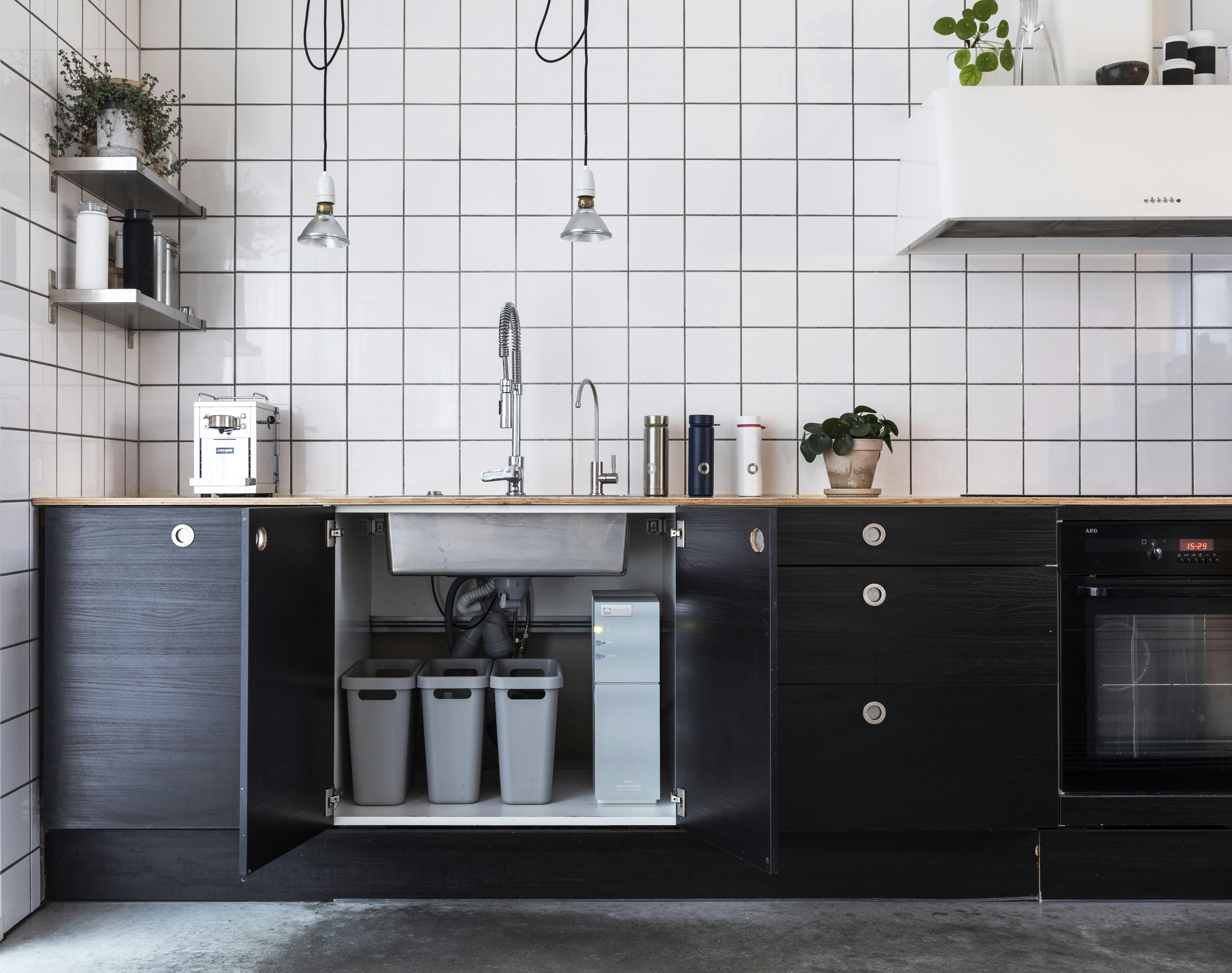
Introduction to Government Housing Kitchen Furniture
The procurement of kitchen furniture for government housing projects reflects a crucial intersection of quality, functionality, and environmental sustainability. As local authorities strive to create residential spaces that fulfill the needs of their communities, the emphasis on high-quality kitchen furniture becomes paramount. This is not only for the immediate functionality of these spaces but also for their long-term impact on the well-being of residents.
High-quality kitchen furniture enhances the daily lives of residents by providing durable and practical solutions tailored to diverse lifestyles. In government housing, where various family compositions and needs converge, it is essential that furniture fulfills multiple roles. By incorporating robust materials and innovative designs, the kitchen becomes more than just a cooking area; it transforms into a communal space promoting interaction and well-being.
Moreover, the integration of eco-friendly principles into the procurement of kitchen furniture significantly influences environmental outcomes. Sustainable practices in sourcing materials minimize ecological footprints and ensure responsible consumption. Utilizing renewable resources or recycled materials not only enhances the sustainability of the kitchen but also aligns with broader governmental efforts to foster a healthier environment. Such considerations are essential, especially in public housing projects that aim to serve diverse communities responsibly.
Combining quality and eco-friendliness in government housing kitchen furniture contributes to establishing a high standard for future projects. This commitment can create long-lasting benefits, enhancing occupants’ quality of life while promoting sustainable practices. Through this dual focus on quality and environmental protection, not only are the structural dynamics of residential spaces improved, but so too is the overall residential experience, fostering healthier living environments for all residents.
Understanding E0-Grade Environmentally Friendly Boards
E0-grade boards have become increasingly important in the production of kitchen furniture, particularly in environments such as government housing where safety and health standards are paramount. These boards are characterized by their exceptionally low formaldehyde emission rates, which ensure that the indoor air quality remains unaffected by harmful substances. The significance of E0-grade boards lies not only in their performance characteristics but also in their compliance with stringent environmental standards.
Under regulations set forth by various national agencies, E0-grade boards are required to emit less than 0.5 mg of formaldehyde per liter—a standard that surpasses those established for lower-grade materials. This makes them an ideal choice for manufacturers focused on creating eco-friendly kitchen furniture. By opting for E0-grade boards, manufacturers contribute to a healthier living space by minimizing the risk of formaldehyde-related health issues. This is particularly vital in kitchen environments, where families spend considerable time cooking and eating.
In addition to safety, E0-grade boards provide a wide array of design possibilities. They can be easily processed and finished to create aesthetically pleasing kitchen cabinets and wall cabinets without compromising on quality. The advancements in the production processes for these boards have led to enhanced durability and resistance against wear and tear, further solidifying their practicality in home furnishings.
Moreover, the application of E0-grade boards aligns with the growing demand for sustainable practices within the furniture industry. By choosing these environmentally friendly materials, manufacturers not only cater to eco-conscious consumers but also contribute positively to the environment. In summary, E0-grade boards represent a pivotal advancement in the quest for safer, sustainable kitchen environments, promoting health and well-being without sacrificing durability or style.
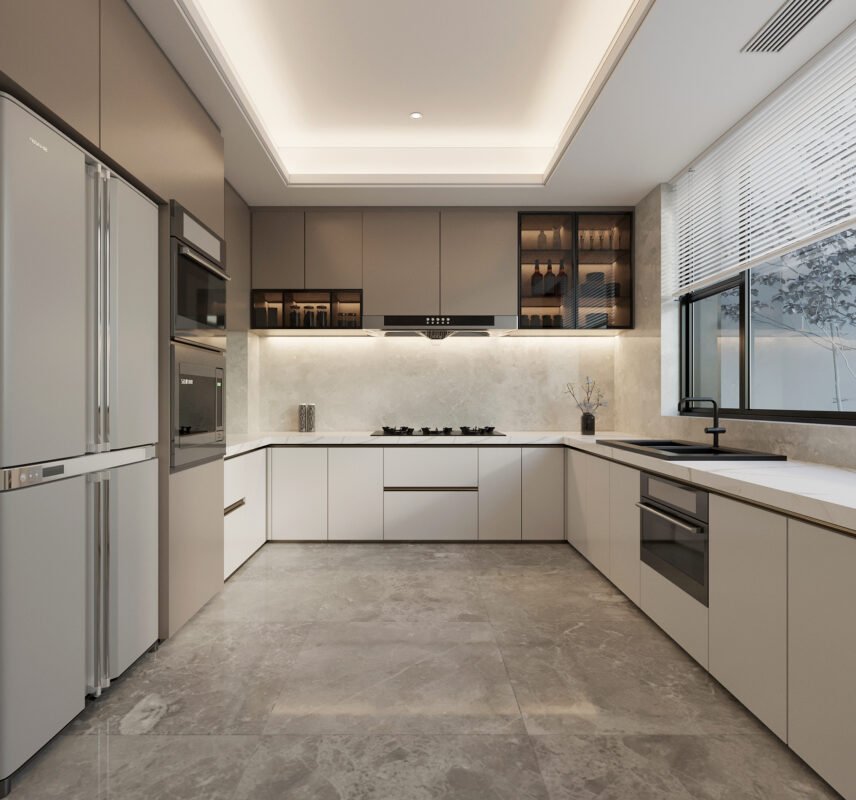
The Role of Quartz Stone Countertops in Kitchen Quality
When it comes to selecting materials for kitchen surfaces in government housing projects, quartz stone countertops have become increasingly favored due to their myriad advantages. This engineered stone, comprising approximately 90-95% crushed natural quartz crystals combined with resins and pigments, provides numerous benefits that align with federal standards for durability and aesthetic appeal.
Firstly, one of the standout features of quartz countertops is their exceptional durability. Unlike traditional materials, quartz is non-porous, which makes it highly resistant to stains, bacteria, and the wear and tear associated with daily use. This quality not only enhances the longevity of the countertops but also simplifies maintenance. In high-traffic kitchens, particularly in government housing where durability is paramount, homeowners can appreciate that quartz surfaces retain their beauty without frequent repairs or replacements.
Furthermore, quartz countertops possess admirable resistance to heat and scratches, making them an ideal choice for the bustling environment of a kitchen. While it is still advisable to use trivets for extremely hot pots, quartz can typically withstand everyday cooking temperatures without damage. Additionally, the scratch-resistant property of quartz ensures that it can endure knives and everyday kitchen tools without showing visible wear, thus preserving its high-quality appearance over time.
In terms of aesthetics, quartz stone countertops are available in a plethora of colors and finishes, allowing for a customized look. This versatility is vital in creating a kitchen space that not only meets functional needs but also reflects the personal style of its residents. The uniformity of quartz provides a seamless visual appeal, contributing to the overall quality of kitchen design in government housing. Thus, incorporating quartz countertops can elevate the kitchen’s functionality while adhering to the quality standards expected in contemporary housing developments.
Craftsmanship in Kitchen Furniture Production

The production of kitchen furniture, particularly kitchen cabinets and wall cabinets, involves a high level of craftsmanship that ensures quality, durability, and functionality. Royalpride has elevated the standards of kitchen furniture production by incorporating innovative techniques that highlight precision and attention to detail. One of the key attributes of this craftsmanship is the precision cutting process, which plays a crucial role in the overall construction of the furniture.
Precision cutting involves the use of advanced machinery and tools that allow for accurate measurements and cuts. This not only minimizes waste but also ensures that the components fit together seamlessly. The benefit of this meticulous approach is seen in the durability of the cabinets, as interlocking parts fit together without gaps, thereby enhancing structural integrity. The aesthetic appeal is further enhanced by the smooth edges and consistent finishes, which result from the precision cutting process.
Another significant technique employed in the production of kitchen furniture is seamless splicing. This method involves joining two or more pieces of material without the use of visible fasteners, resulting in a clean and sleek appearance. Seamless splicing enhances the furniture’s longevity, as it reduces the risk of water or moisture penetration, which can lead to warping or damage over time. Additionally, this technique contributes to a more refined look, appealing to modern design aesthetics.
Royalpride’s commitment to quality craftsmanship is reflected in every piece of furniture they produce. By integrating precision cutting and seamless splicing into their manufacturing processes, they offer kitchen cabinets and wall cabinets that not only meet functional demands but also stand the test of time. Such attention to craftsmanship ensures that the furniture can withstand everyday use, thereby providing value and satisfaction to homeowners.
Standardization and Customization in Procurement
In the realm of government housing projects, the procurement of kitchen furniture necessitates a careful balance between standardization and customization. The main objective of standardization is to streamline the procurement process, ensuring that materials are uniform, widely available, and consistently meet quality standards. This is particularly important in large-scale projects, where achieving economies of scale can significantly reduce costs. Standardized materials, such as pre-fabricated cabinetry, countertops, and energy-efficient appliances, can be sourced in bulk, facilitating quicker construction timelines and ensuring compliance with budget constraints.
However, the unique needs of various housing developments and the diverse requirements of potential inhabitants demand a degree of customization. Each government housing project may be situated in distinct environments and cater to varied community dynamics, necessitating tailored designs that consider cultural preferences and spatial layouts. For instance, while certain standardized measurements and finishes might be suitable broadly, kitchen designs that reflect local tastes or specific usage patterns can enhance user satisfaction significantly.
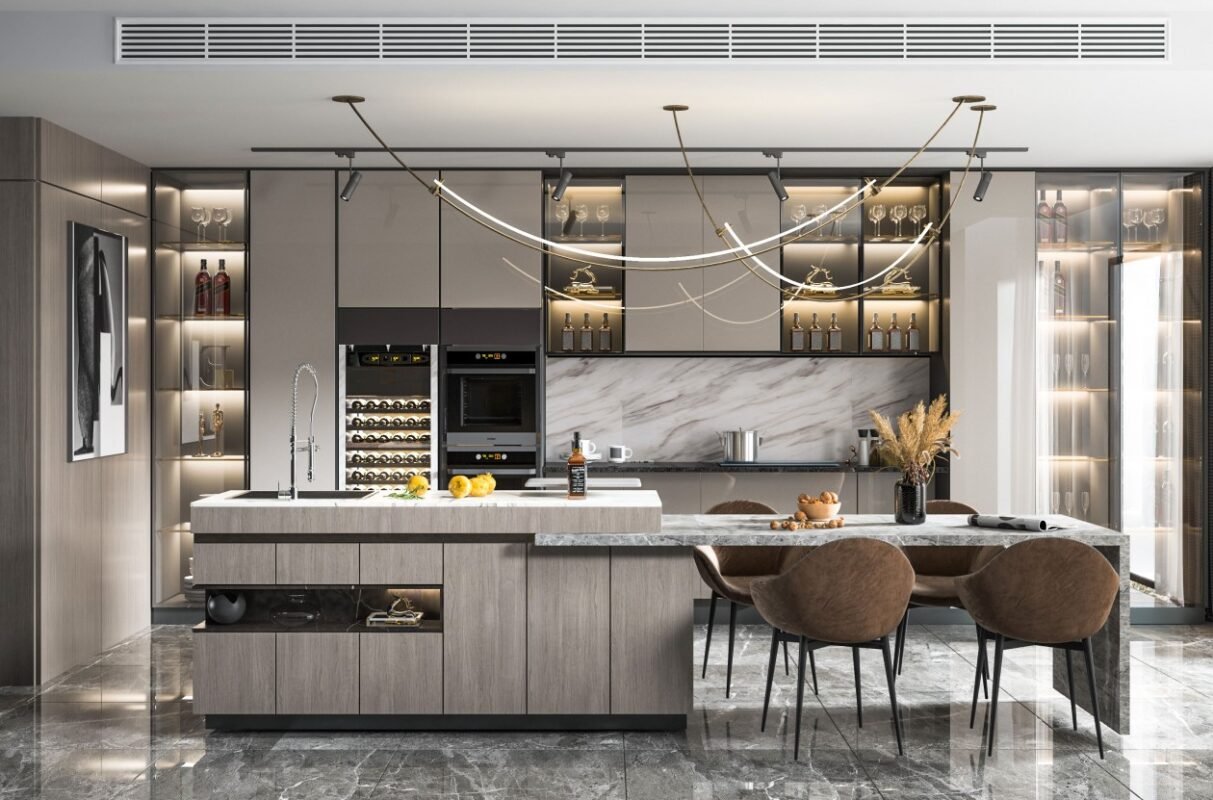
To successfully integrate both elements, procurement strategies must be adaptable. Utilizing modular systems that allow for customization within a standardized framework can provide the necessary flexibility. This may involve selecting from a range of finishes or layouts that maintain core structural integrity while allowing for aesthetic variation. Additionally, utilizing sustainable and eco-friendly materials in both standard and customized options can enhance the overall sustainability of kitchen furniture in government housing projects. By prioritizing these dual objectives, stakeholders can ensure that the resulting kitchen spaces not only meet the regulatory standards but also elevate the quality of life for residents.
Quality assurance is a critical component of any government project, particularly in the context of procuring furniture that meets specific standards. Royalpride recognizes the unique requirements set forth by government agencies and has implemented rigorous quality assurance measures to ensure compliance with acceptance standards. Through standardized production processes, Royalpride can consistently deliver high-quality and eco-friendly kitchen furniture tailored for government housing initiatives.
One of the primary methods employed by Royalpride to maintain quality is the establishment of detailed production protocols. These protocols are developed in accordance with governmental regulations and industry best practices, allowing the company to create reliable and durable furniture solutions. The adherence to these established guidelines enables Royalpride to systematically monitor each phase of production, from the selection of sustainable materials to the final assembly of the kitchen units.
Moreover, Royalpride engages in regular audits and inspections throughout the production process. These evaluations not only confirm adherence to quality standards but also facilitate the identification of any areas for improvement. By fostering a culture of continuous improvement, Royalpride ensures that each piece of furniture not only meets but, in many instances, exceeds the expectations of government clients.
Additionally, the company’s commitment to eco-friendliness speaks volumes about its dedication to quality assurance. By utilizing environmentally sustainable materials and production techniques, Royalpride not only aligns itself with government mandates focused on sustainability but also enhances the overall durability and appeal of its furniture. This approach results in kitchen units that stand the test of time while also being compatible with contemporary environmental standards.
In summation, Royalpride’s focus on standardized production processes, regular quality evaluations, and sustainable material choices demonstrates its unwavering commitment to delivering high-quality kitchen furniture that meets the stringent requirements of government housing projects.
Environmental Compliance and Its Importance
In the realm of government housing projects, environmental compliance stands as a critical pillar guiding the design, manufacture, and installation of kitchen furniture. This compliance not only aligns with regulatory frameworks but also reflects a commitment to sustainable development and resource conservation. Adhering to environmental regulations is essential, as it ensures that housing solutions do not adversely impact the ecosystem. The integration of eco-friendly materials and practices extends beyond legal obligations; it embodies a holistic approach to environmental stewardship that can influence community well-being.
Royalpride recognizes the importance of meeting stringent environmental standards. By sourcing materials that are sustainably harvested and utilizing manufacturing processes that minimize waste, Royalpride is dedicated to producing kitchen furniture that complies with local and national environmental regulations. These practices include the use of low-VOC (volatile organic compounds) finishes, which not only contribute to better indoor air quality but also underscore an effort to reduce the carbon footprint associated with the production and consumption of furniture.
Furthermore, Royalpride’s commitment to eco-friendly kitchen furniture goes beyond compliance. It plays a pivotal role in promoting a circular economy by facilitating recycling and repurposing of materials. The design philosophy incorporates modular elements, allowing for easy disassembly and refurbishment, thus extending the lifecycle of the furniture. Such initiatives not only adhere to regulations but also foster a culture of sustainability within government housing projects.
In essence, environmental compliance is a cornerstone of responsible design and manufacturing in the furniture industry, especially within government housing efforts. Royalpride’s dedication to meeting these requirements not only fulfills legal mandates but also contributes to a more sustainable future for urban living spaces. The synergy between compliance and eco-conscious practices enhances the overall appeal and functionality of the kitchen furniture, aligning with the values of modern housing initiatives.
Efficiency in Government Procurement Processes
The integration of material and production standardization plays a vital role in streamlining procurement processes for government housing projects. By utilizing standardized materials and manufacturing techniques, government entities can optimize procurement timelines and reduce costs significantly. This approach allows for consistent quality across all produced items, ensuring that every piece of kitchen furniture meets established specifications.
Standardization facilitates a more straightforward evaluation of bids, as suppliers can be assessed against uniform criteria. This not only accelerates the decision-making process but also enhances competition among suppliers, ultimately driving prices down. When suppliers know that they are competing within a standardized framework, they may be more inclined to offer competitive pricing, leading to cost savings for government contracts.
Moreover, the adoption of standardized processes in the procurement of eco-friendly kitchen furniture ensures that the materials used are sourced responsibly and meet environmental regulations. This aligns with the increasing demand for sustainability in government projects, fostering an environment where eco-friendliness is prioritized without sacrificing quality or efficiency.
In addition to cost-effectiveness, standardized materials can facilitate easier inventory management and logistics. With a reduced variety of materials, storage needs are simplified, and the procurement of replacement parts becomes more straightforward. This efficiency minimizes delays caused by backordered items, thus ensuring that projects adhere to timelines and budgets.
In conclusion, the advantages of integrating material and production standardization in government procurement processes are manifold. By enhancing efficiency and reducing costs, such strategies play an essential role in creating high-quality and eco-friendly kitchen furniture for government housing projects, ultimately benefiting both the government and the communities it serves.
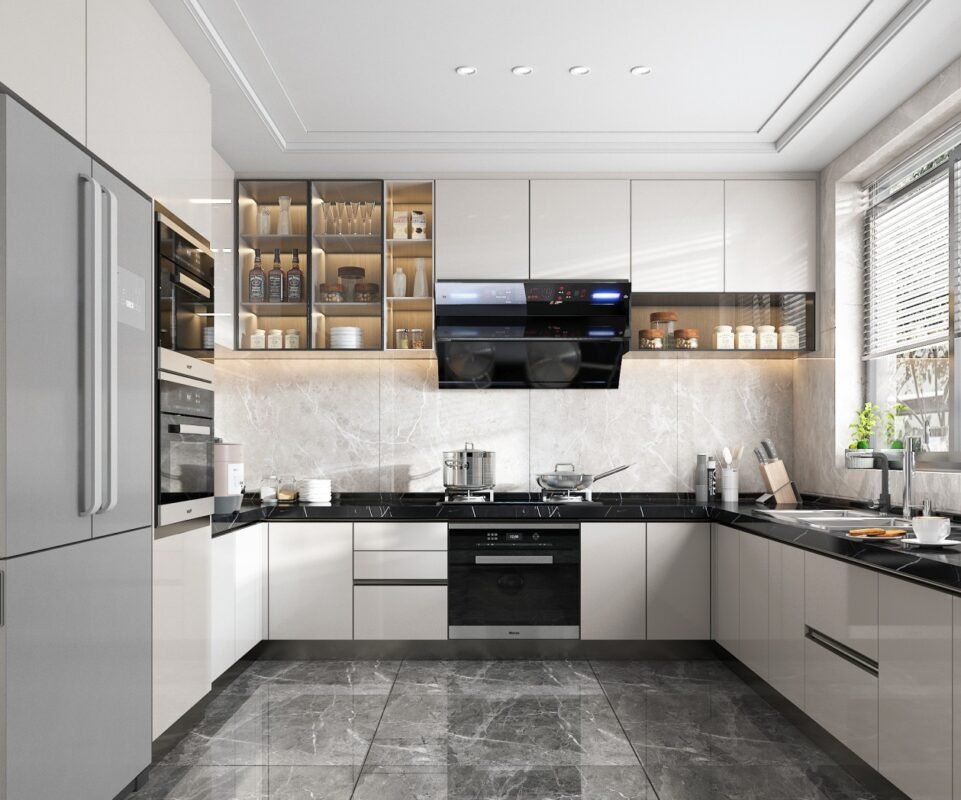
Conclusion and Importance of Choices in Government Housing
The significance of selecting high-quality and eco-friendly materials for kitchen furniture in government housing cannot be overstated. Such choices not only enhance the durability of fixtures but also play a crucial role in safeguarding the health of residents. The use of sustainable materials, which are often free from harmful chemicals, contributes to a healthier living environment. This is particularly important in settings where families may spend considerable time, making the kitchen a critical area for comfort and well-being.
Moreover, the craftsmanship involved in producing kitchen furniture influences not only functionality but also aesthetic appeal. Well-made pieces can significantly improve the ambiance of a kitchen, fostering a sense of pride and satisfaction among residents. When individuals feel positive about their living spaces, studies have shown that it can lead to better mental health and overall happiness.
Choices in materials and design reflect a commitment to sustainability, as well as the well-being of the community. Eco-friendly options can often be more energy-efficient, which adds to their appeal by potentially lowering utility costs for residents. Thus, the integration of high-quality, environmentally safe materials in government housing kitchen furniture is not a mere aesthetic decision; it is a pivotal factor that affects health, comfort, and long-term satisfaction.
In conclusion, the emphasis on high-quality and eco-friendly kitchen furniture in government housing embodies a significant step toward creating a positive living environment. These choices impact both the quality of life and the health of residents, promoting a lifestyle that values sustainability and wellness. For government housing initiatives, investing in such initiatives is an essential consideration that can yield both social and economic benefits.